






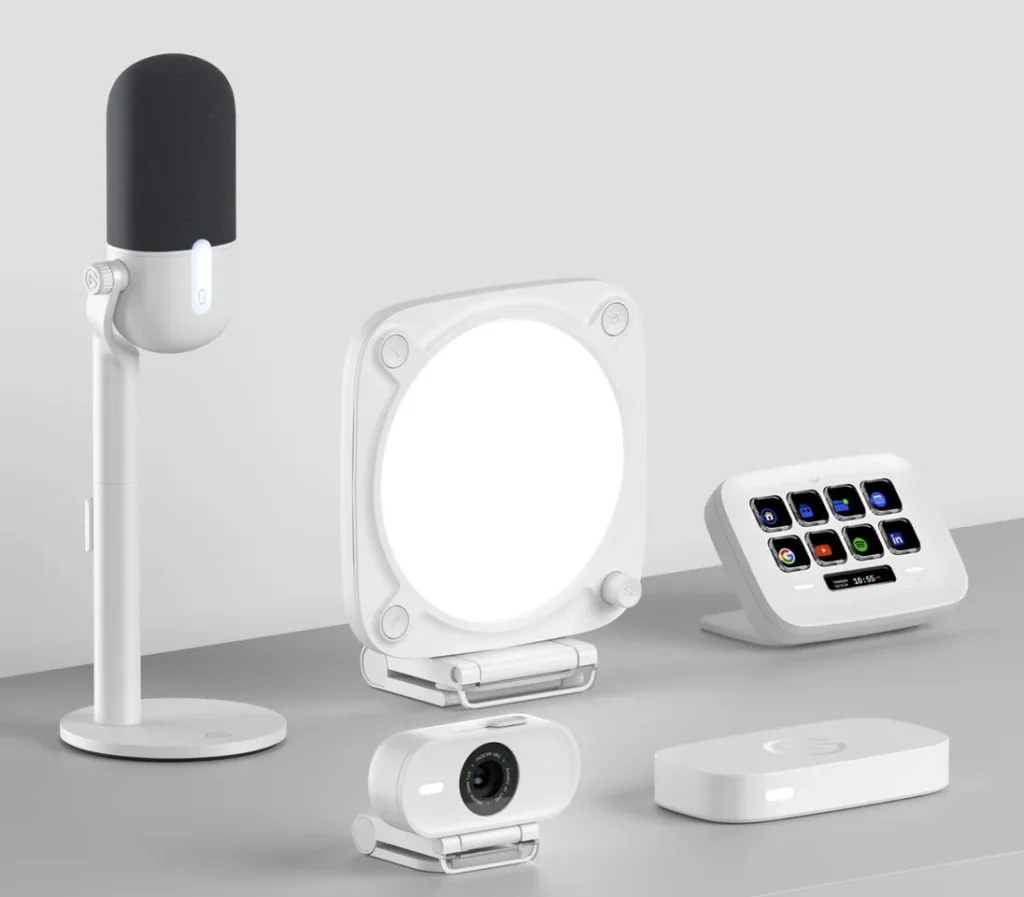

You have probably already seen that Elgato have launched their new budget family of streaming products, the Neo series, but are they affordable compared to the competition?
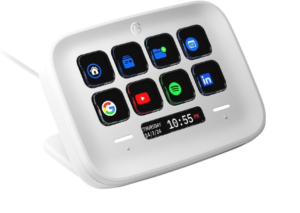
Let us look at one of the products I have been considering, the new Stream Deck Neo. It’s a nice little device featuring eight programmable buttons, two soft keys to navigate between pages so your eight buttons are effectively as many as you need, and a small information display which can give you the time and date, what page your looking at, and possibly some more useful information in the future.
This new iteration of the Stream Deck comes in at £99.99, is only currently available in white, it is made partially out of recycled materials, but has all the features and more of the previous standard Stream Deck. Not a bad starting price and may be cheaper in a bundle or random discount in the future. The old six button version is currently £59.99 (no soft keys or information display) and the bigger fifteen key version in £149.99 direct from Elgato so it is a decent price point within their current lineup.
The only major gripe I have with this product is the hardwired USB cable, you are stuck with the length it comes with unless you buy an extension, and it cannot be replaced if only the cable is damaged without soldering skills. Some YouTubers have suggested this is a cost cutting measure, but it just feels like they want you to buy a new one if something goes wrong and your out of warranty.
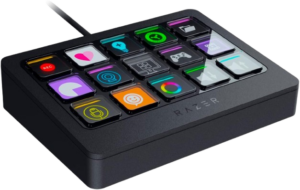
We have already considered the likes of Touch Portal in a previous post, so let’s consider some physical alternatives to the Stream Deck. Razer is probably one of the more obvious examples, with their Stream Controller X priced at £149.99 For this price you get a fifteen key macro controller powered by Loupedeck software.
Looking at reviews of this, and other Loupedeck products the software isn’t as polished as Elgato’s, but the buttons also aren’t as mushy and you can do most things you can with the Stream Deck, the only issue is Razer trying to push you to install their other software during the installation process.
This one is more comparable to the fifteen key bigger brethren of the Neo, but there aren’t really any comparable hardware devices to the newer eight key version. I wouldn’t suggest Razer as an alternative unless you are already part of their ecosystem or have other Loupedeck products, it’s already the same price as the industry leading device when they are not on sale.
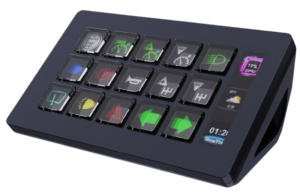
Bearing in mind what I have previously said, we can also look at a Chinese clone of the Elgato fifteen key with an additional information display. There are a few white label versions of this one, but the MariaBox Stream Dock seems to be the original which is rebranded for other sellers.
There is a clone of the Stream Deck + pictured on their website as well as a plain fifteen key macro pad, but the one which includes an information display seems to be the only one I can reliably find on sale and this one is generally available for under £50 from AliExpress.
The Stream Dock software looks remarkably like Elgato’s, although it is missing the myriad of plug-ins made by such a strong community. I have not evaluated this product, and the reviews are a mixed bag, but people seem to be relatively happy with the basic functionality.
For the moment, I am still interested in the updated Stream Deck Neo, it’s a nice-looking device, has mature software, has enough keys for what I want it for (especially with the ability to make numerous folders and pages with the softkey navigation), and a nice little information widget. I will say I am waiting for the black version before I buy one.
I’m not a fan of Razer, and their device would take up more room, isn’t as visually appealing, is basically just a branded Loupedeck product, and using a physical button to navigate rather than being able to program it for an additional function seems a waste (even with more physical buttons available).
I have similar concerns for MariaBox, the software isn’t as polished, it is an obvious clone, it lacks plug-in support and community, you’re unlikely to have any reliable support compared to such an established brand as Elgato, and you don’t know what is in the software which runs it. It may be a lot cheaper than the alternatives, but sometimes it’s worth paying extra so you know exactly what you’re getting and can get reliable support from an established company and community.
We may look at some of the other new products from the Neo line in the future, the mic looks interesting and there are some good points about the new light, but I have my eye on another of the more budget friendly lights from Elgato. For now, I’ll leave it with a brief comparison between the Neo and competition.